Oil Tank Cleaning: Steps, Tools & Requirements
1. Overview of Oil Tank Cleaning
Oil tank cleaning is fundamentally different from cargo hold cleaning: cargo hold cleaning involves "open-air work at height," while oil tank cleaning is "confined space hazardous work," making safety procedures paramount. Based on common practices on product tankers and chemical tankers, this article details the steps, tools, and requirements for oil tank cleaning.
2. Oil Tank Cleaning Steps
2.1 Pre-Cleaning Preparation
- Clarify the requirements of the previous cargo and the next cargo (whether changing cargo type or oil type) to determine the cleaning level: changing to a similar oil requires a lower level, while changing from oil to chemicals requires a higher level (chemical tankers often require a wall wash test).
- Consult the Cleanliness Manual / Tank Cleaning Manual to select the cleaning procedure and chemical formulation.
- Drain residual oil from the tank: pump out residual oil from pipelines and tank bottom.
2.2 Gas-Freeing and Ventilation (Prerequisite for Entry)
- Initial gas-freeing: oil tankers that have been inerted generally first displace gas until combustible gas concentration is acceptable, then continue mechanical ventilation.
- Ventilation fans must run continuously until the end of operations—maintain forced ventilation throughout the cleaning process.
2.3 Pre-Entry Testing (Mandatory Threshold)
- Measure oxygen content (19.5%–23.5%), combustible gas (LEL<1%), hydrogen sulfide, benzene, and other toxic substances.
- Obtain an entry permit; oil tankers must also comply with ISGOTT regulations.
- Never enter if tests fail; rely on fixed tank cleaning machines for remote cleaning.
2.4 Mechanical Washing (Main Process)
- Fixed tank cleaning machines: pre-installed in each tank on oil tankers, connected to the cleaning pipeline for automatic rotating jets.
- Portable tank cleaning machines: lowered into the tank through deck measurement holes/cleaning openings, driven pneumatically or electrically, typically at 8–14 bar, with multiple machines in cyclic operation.
- Typical procedure: seawater/freshwater rough wash (can be heated to 60–80°C for better effect) → chemical fine wash → freshwater final rinse. When changing oil types, use "cleaning oil/sludge circulation" or direct seawater flushing.
- On chemical tankers, the fine wash stage often uses hot water plus cleaning agents in multiple cycles, followed by a wall wash test.
2.5 Manual Mucking
- After accumulated water and oil sludge in the tank are pumped to the slop tank, personnel enter to shovel residual sludge, wipe the tank bottom clean, and scrape it to the suction point.
- Stainless steel tanks (chemical tankers) also require removal of flash rust and chloride contamination.
2.6 Final Steps
- Rinse with fresh water to remove chemical residues, then dry with an explosion-proof fan.
- Re-test the tank: meet "gas-free for entry" standards.
- Self-inspection: white cloth wipe/visual inspection → chemical tankers perform wall wash test (methanol test, chloride test, hydrocarbon test).
- Certification: gas-free certificate / tank cleanliness certificate.
3. Oil Tank Cleaning Tools
Mechanical Equipment
- Fixed/portable tank cleaning machines (Butterworth, including slings and pulleys).
- Tank cleaning pumps/high-pressure pumps (often connected to steam heating for hot water), tank cleaning hoses (drop line).
- Ventilation fans (explosion-proof, supply/exhaust).
- Eductors or submersible pumps: to remove accumulated water and oil from the tank.
Chemicals
- Alkaline tank cleaning agents/degreasing emulsifiers (caustic-based)
Oil tank cleaning is a confined space hazardous operation requiring strict safety procedures. This guide outlines the key steps: preparation, gas-freeing, pre-entry testing, mechanical washing, manual mucking, and final inspection. It also lists essential tools such as fixed/portable tank cleaning machines, pumps, hoses, ventilation fans, and chemicals. Compliance with ISGOTT and proper certification are emphasized.
Related Products
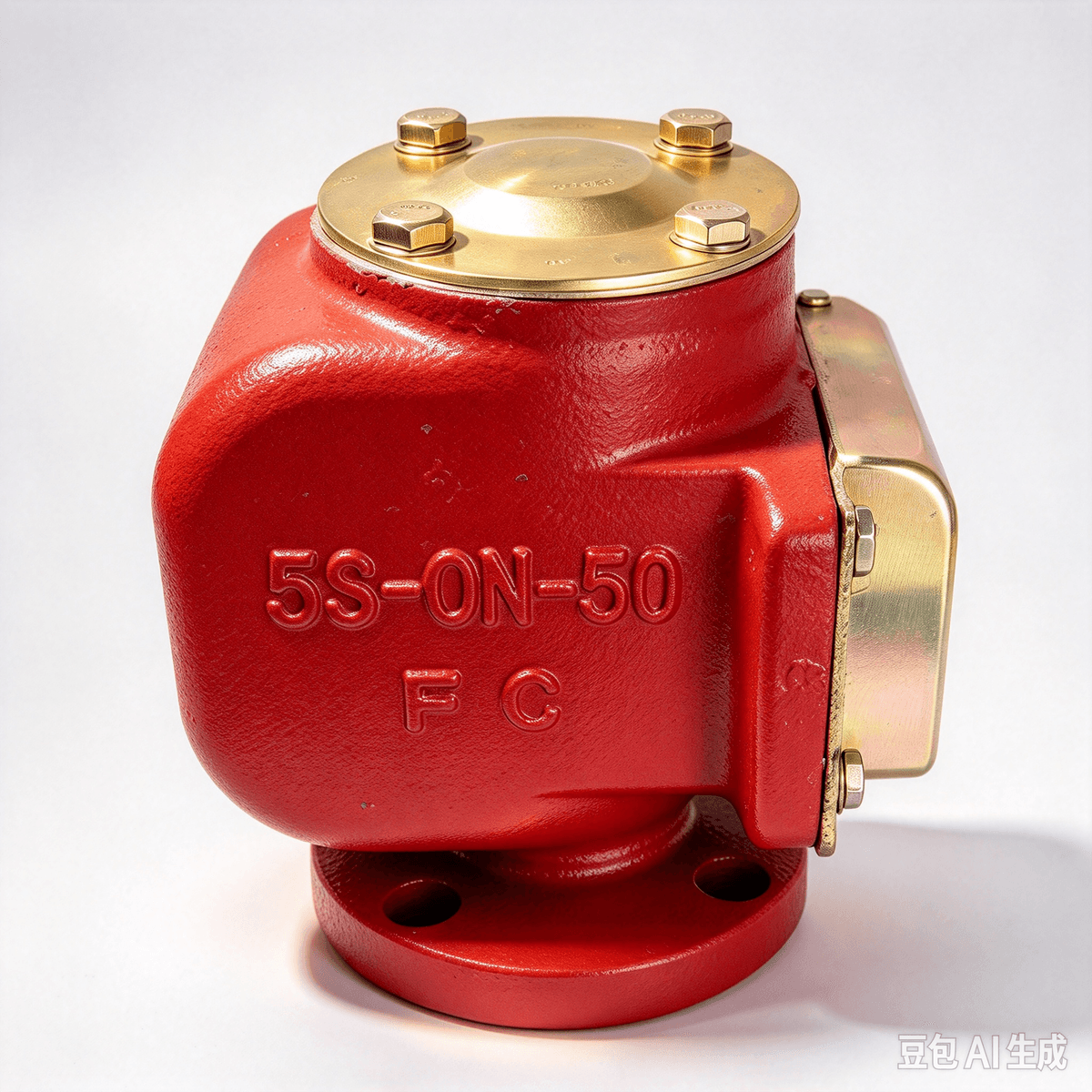
53ON Air Vent Heads for Oil Tanks & Marine Service — IMPA 872301-872307
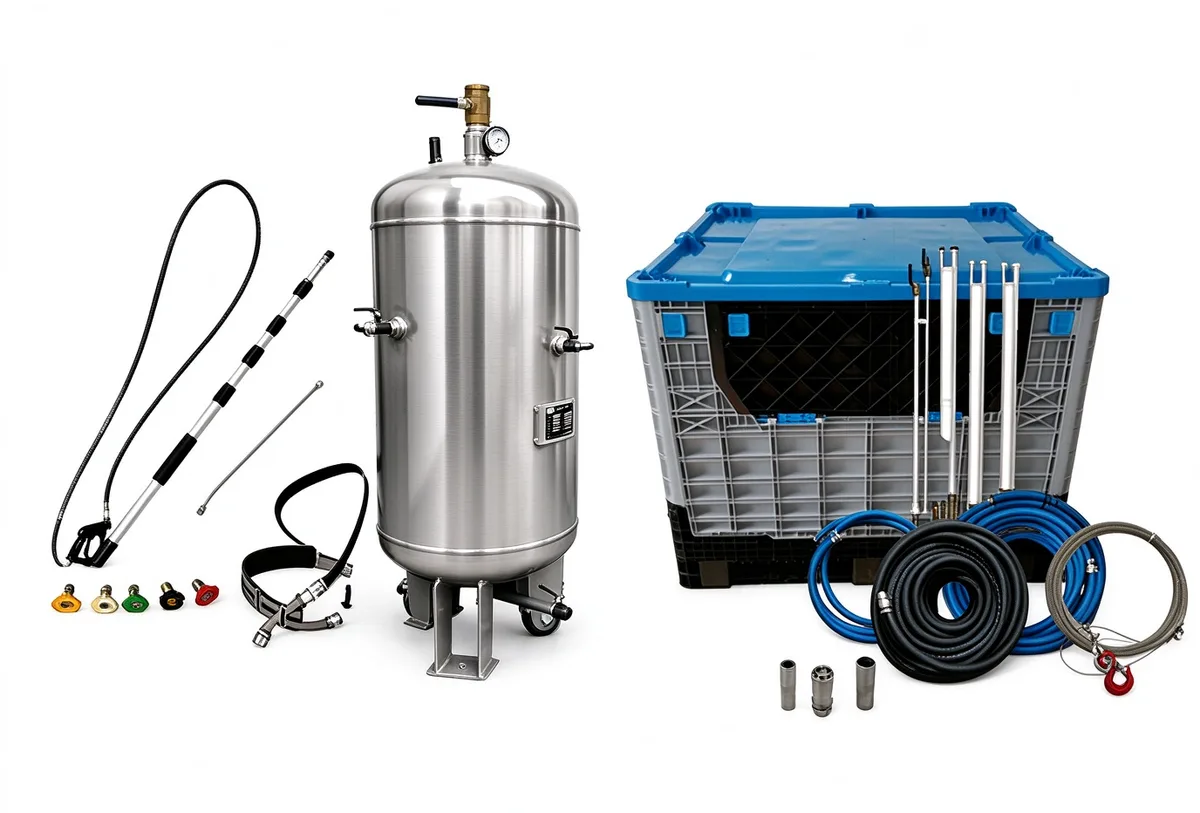
Panamax Cargo Hold Cleaning Kit — IMPA 59 Pneumatic & Electrical Tools
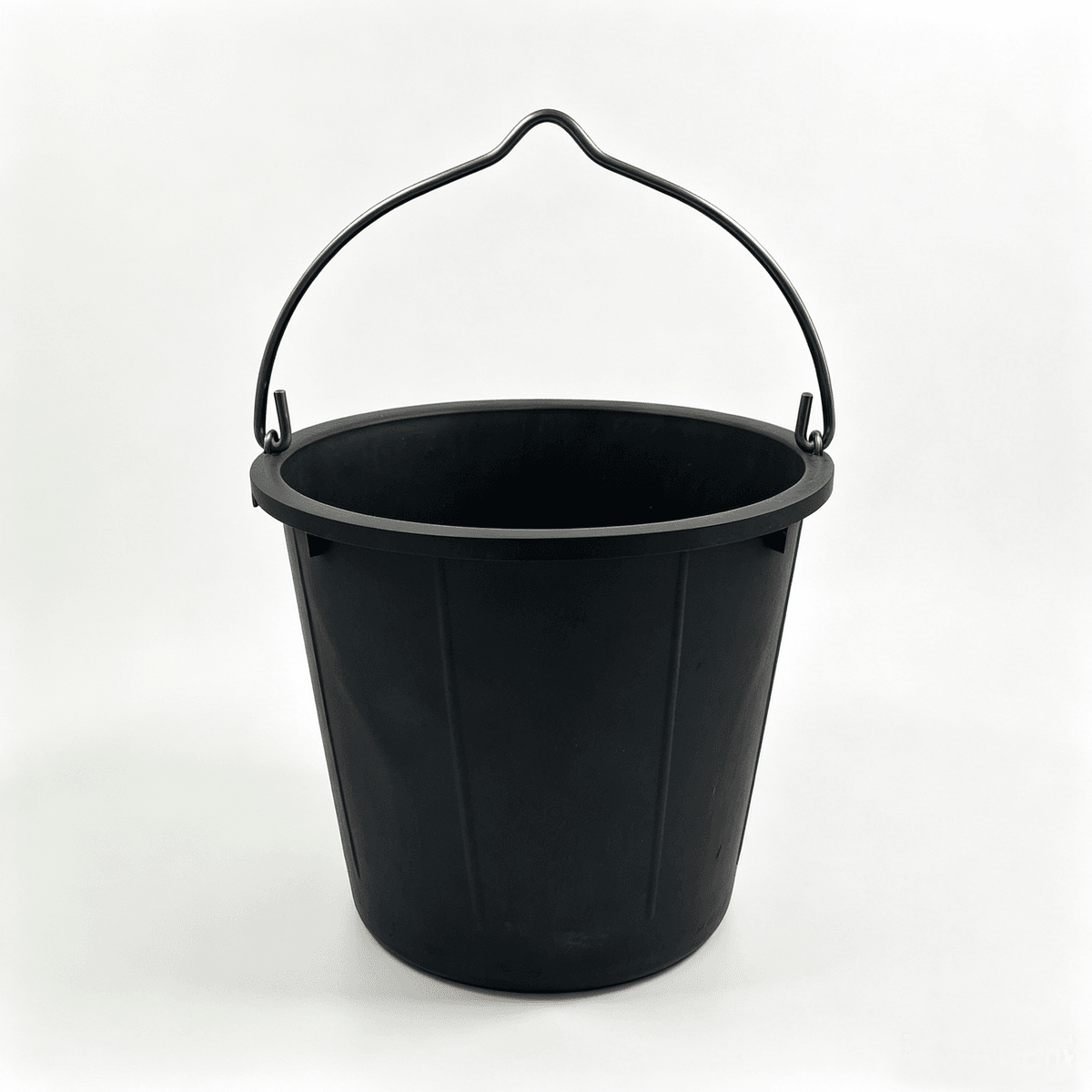
Spark Proof Neoprene Rubber Bucket 10L – IMPA 590611
