Is Your Tank Cleaning Machine Leaking Water? Here's What You Need to Know
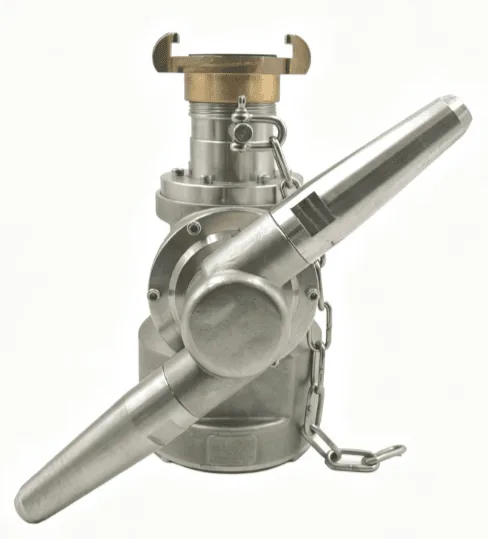
In marine maintenance, tank cleaning machines are vital for cleaning oil and cargo tanks. Many crew members notice water dripping from beneath the machine during use and worry about a possible malfunction. In this article, we'll address the issue of tank cleaning machine leaks and clear up your concerns.
Is Leaking Water a Sign of a Fault?
First, rest assured: a small amount of water leaking from the bottom during cleaning is usually not a fault but a normal design feature. When the machine operates, the water used for cleaning contains impurities, oil, and sediment. To prevent these from accumulating inside and affecting performance and lifespan, manufacturers incorporate drain holes or flushing mechanisms.
These outlets allow contaminated water to flow through during cleaning, continuously flushing out internal residues. This keeps the machine clean, prevents clogging, and ensures smooth rotation of the nozzle and stable jet pressure.
How to Tell if the Leak is Normal
While leaks are often normal, you should distinguish between normal and abnormal ones. Normal leaks typically have these characteristics:
- Location: Mainly at the bottom or designated drain holes.
- Flow: A steady trickle or drip, not a large spray.
- Water quality: Murky or containing impurities, consistent with the cleaning water.
- Operation: The machine runs smoothly with normal cleaning performance and no unusual noise.
However, the following may indicate a problem:
- Water sprays out or gushes excessively, beyond normal.
- Leaks occur at locations other than drain holes, such as seals or joints.
- Clear hydraulic oil or gear oil is leaking (for hydraulic-driven models).
- Rotational speed drops, vibration increases, or cleaning pressure is insufficient.
If you experience any of these, stop the machine immediately and contact professional maintenance personnel.
How Internal Flushing Works
When cleaning oil tanks, the machine draws in bilge water that contains oil sludge, rust, and other debris. If these enter the machine, they can wear down nozzles, block waterways, or even damage the drive mechanism. To counter this, tank cleaning machines have flushing channels that use a portion of the water flow to reverse-flush internal components, carrying contaminants out through the bottom drain. This is similar to an engine's oil filtration system but simpler—impurities are simply flushed out with the water.
So, seeing water dripping below your tank cleaning machine is a sign that its self-cleaning function is working as intended—a good thing!
Maintenance Tips to Minimize Issues
To ensure long-term reliable operation, we recommend:
- Regular inspections: After each cleaning operation, check that the bottom drain holes are clear and free of blockages.
- Use suitable water: Whenever possible, use filtered seawater or freshwater to reduce the entry of large particles.
- Follow operating procedures: Start and stop the machine strictly according to the manual, avoiding dry running or overloading.
- Scheduled maintenance: Replace seals, bearings, and other wear parts as scheduled, and clean internal filters.
- Watch for warning signs: If you notice abnormal leaks, unusual noises, or a drop in pressure, stop and investigate promptly.
Tank cleaning machines are invaluable for vessel hygiene. Understanding their characteristics helps you use and maintain them better.
If you have further questions about tank cleaning machines or need professional parts and service, feel free to contact us. We're here to provide expert support.
Noticing water leaking from your tank cleaning machine during operation? In most cases, it's a normal self-cleaning feature that prevents internal buildup. But how do you know if it's a problem? This article explains the purpose of the drainage, how to distinguish normal from abnormal leaks, and offers maintenance tips to keep your equipment running smoothly.